
Gut health for kids: Foundation of your child’s wellbeing

By Priyanka Lugani
When we think about our children’s health, we often focus on what’s visible — energy levels, immunity, growth. But beneath it all lies something far more powerful and often overlooked: gut health.
At Alma Kids, we see the gut not just as a digestive organ, but as the foundation of vitality, immunity, and emotional balance — for both children and parents.
What is the gut microbiome?
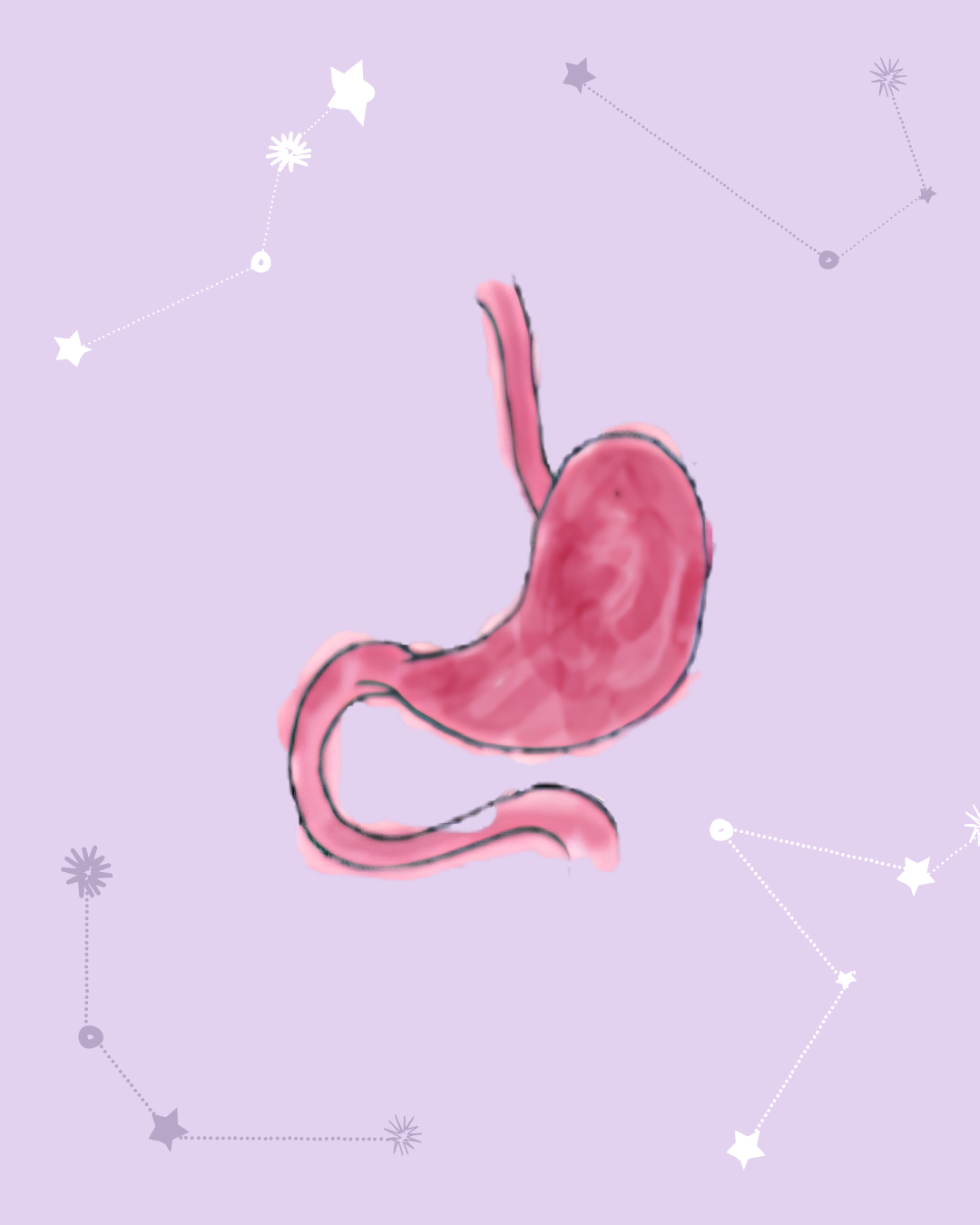
The gut is home to what we call the microbiome — a living ecosystem of microorganisms, mostly bacteria, that live inside the digestive system.
This ecosystem is alive and constantly evolving, made up of both beneficial and harmful bacteria and unique to each individual, shaped by diet, lifestyle, environment, and even emotions.
When in balance, this internal “community” supports:
Digestion
Immunity
Nutrient absorption
Emotional wellbeing
In fact, a large part of our immune system is rooted in the gut. When the microbiome is thriving, the body is better equipped to respond to the world around it.
Why gut health matters for kids
A child’s microbiome begins forming at birth and continues to develop through early life. This makes childhood a critical window for building strong gut health.
When the gut is balanced, children are more likely to experience:
Steady energy throughout the day.
Strong natural immunity.
Better concentration and mood regulation.
Healthy digestion.
When it is out of balance, it may show up as:
Frequent illness
Digestive discomfort
Low energy
Difficulty concentrating
Supporting gut health early on is one of the most impactful things we can do as parents.
The gut–immunity connection
The gut is not isolated — it communicates constantly with the rest of the body.
The intestinal environment plays a key role in:
Defending against external pathogens
Regulating inflammation
Supporting immune responses
Rather than “fighting” the outside world, the body is designed to interact with it. A healthy gut creates resilience, allowing children to adapt naturally to their environment.
Digestion: Where health begins
Digestion is more than just breaking down food — it’s how the body receives nourishment.
This process happens in stages:
Ingestion: begins in the mouth through chewing.
Absorption: nutrients are broken down and absorbed.
Utilisation: the body uses vitamins and minerals to fuel cells.
Elimination: waste is removed from the body.
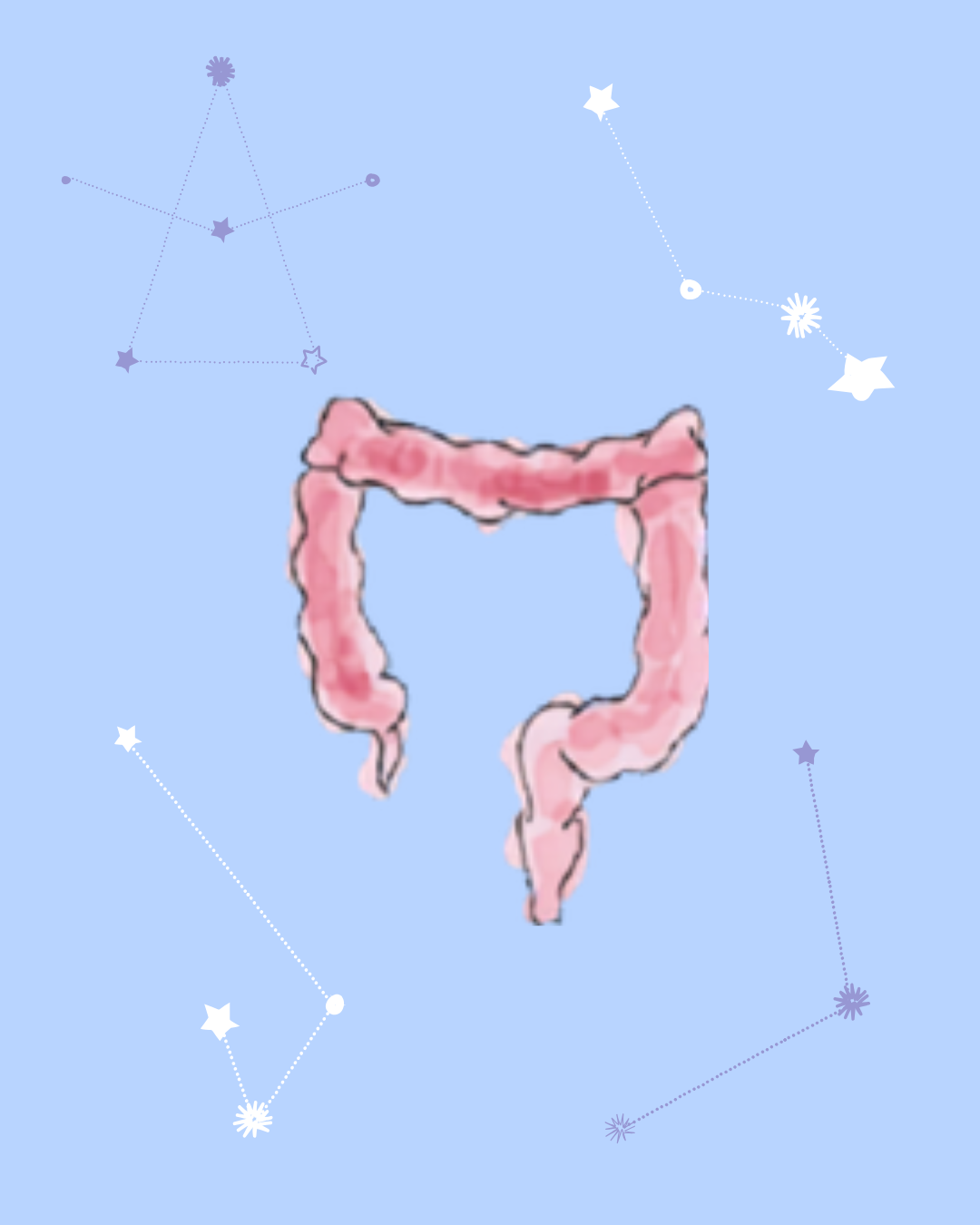
When digestion is supported, the body can:
Absorb nutrients efficiently.
Maintain steady energy.
Eliminate waste effectively.
When it is overwhelmed, often by highly processed foods, the process becomes slower and less efficient, leading to discomfort and fatigue.
What supports a healthy gut in children
Diversity on the plate
A healthy microbiome thrives on variety.
Foods rich in:
Fibre
Vitamins and minerals
Antioxidants
Natural enzymes
It helps nourish beneficial bacteria.
👉 Think colourful plates filled with whole, natural foods—this diversity feeds the diversity within.
Whole, natural foods
Prioritizing fresh, whole, and minimally processed foods support gut health far more effectively than highly processed alternatives, which often lack the vital components our bodies crave.
These foods:
Are easier to digest.
Contain more nutrients.
Support beneficial bacteria.
On the other hand, diets high in ultra-processed foods can gradually reduce this beneficial bacterial balance.
Hydration
Water is crucial in digestion and elimination. It helps:
Move food through the system.
Transport nutrients.
Aids regular bowel movements
For children especially, hydration is key for keeping digestion smooth and comfortable.
Listening to hunger cues
Children are naturally intuitive eaters.
Allowing them to:
Recognise hunger
Eat when hungry
Stop when full
It helps them build a lifelong connection with their body.
Rigid schedules can sometimes override these natural signals, whereas flexibility supports both digestion and self-awareness.
The gut–emotion connection
The gut and brain are deeply connected.
What children eat doesn’t just affect their physical health—it also influences:
Mood
Emotional balance
Stress response
Likewise, stress can impact digestion. A calm, nourished body is better able to process both food and emotions.
Simple ways to improve gut health for kids
You don’t need to change everything overnight. Small, consistent habits make the biggest difference.
Start with:
Offering more whole, natural foods.
Including a variety of fruits and vegetables.
Encouraging slow, mindful eating.
Keeping children well hydrated.
Allowing natural hunger cues.
These simple shifts help nurture a balanced microbiome over time.
A gentle reminder
Gut health isn’t about perfection — it’s about balance, awareness, and consistency.
Every meal is an opportunity to nourish your child’s inner ecosystem.
By supporting their gut, you are not only feeding their body — you are supporting their immunity, their energy, and their overall sense of wellbeing.
Questions you may have
-
Digestive discomfort, changes in energy levels, frequent illness, or difficulty concentrating can sometimes be signals that the body may benefit from more support and balanced daily habits.
-
Water plays an important role in digestion. It helps move food through the digestive system, supports nutrient transport, and contributes to regular elimination.
-
Yes. Regular eating patterns, a variety of whole foods, mindful mealtimes, and listening to natural hunger cues may help support digestion and a healthy gut environment.
-
Different fruits, vegetables, and whole foods provide different nutrients and fibres that help nourish a diverse gut microbiome and support overall wellbeing.
