
How to raise adventurous eaters: gentle ways to help kids try new foods
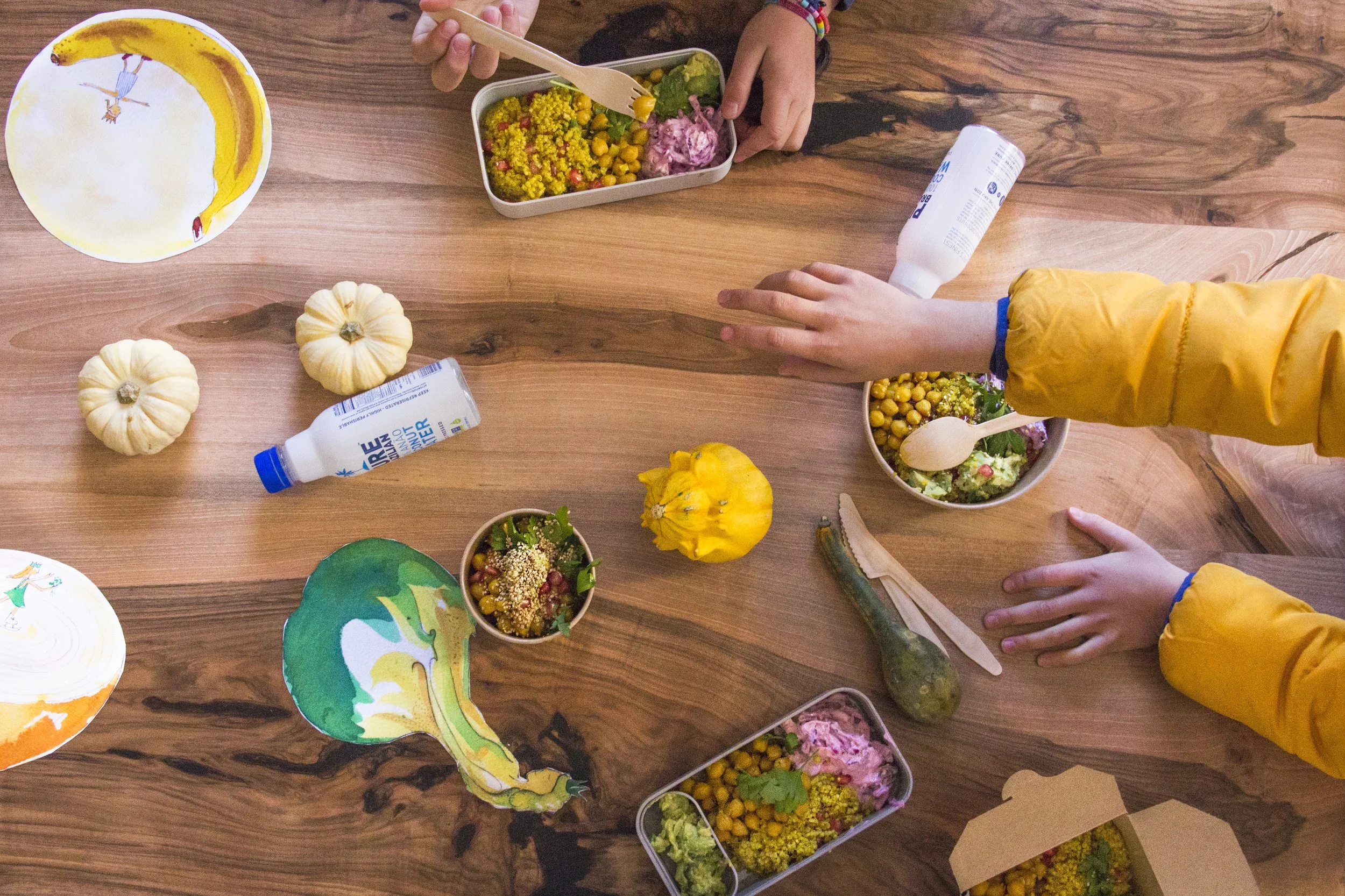
By Priyanka Lugani
For many parents, mealtimes can feel like a balancing act. One child happily tries everything on their plate, while another refuses a vegetable they ate only last week. A favourite food suddenly becomes unacceptable. New foods are met with suspicion. And before long, parents begin to wonder: Am I doing something wrong?
The good news is that picky eating is often a normal part of childhood. In fact, many children are naturally cautious about unfamiliar foods. It is one of the ways they learn about the world around them. The key is not to force children to eat new foods but to help them build curiosity and confidence around them.
Here are a few gentle ways to raise adventurous eaters, without turning mealtimes into a battle.
Let Curiosity Lead the Way
Children are natural explorers.
Long before they taste something new, they learn through looking, touching, smelling and asking questions. A tomato is not just food, it is round, shiny, smooth and full of seeds. A peach is soft and fragrant. A cucumber makes a satisfying crunch. Instead of focusing on whether a child eats a food, encourage them to explore it.
Ask questions like:
What colour is it?
What does it smell like?
Is it smooth or bumpy?
What sound does it make when you bite into it?
When children are allowed to investigate food without pressure, they often become more open to tasting it in their own time.
Invite Children Into the Kitchen
One of the simplest ways to encourage adventurous eating is to involve children in preparing meals. Even young children can help wash vegetables, tear lettuce leaves, stir ingredients or arrange colourful fruit on a plate.
When children participate in making a meal, they feel a sense of ownership and pride. A vegetable that seemed unfamiliar on the shelf often becomes more interesting after they have helped prepare it. The goal is not perfection. The goal is participation.
Grow Something Together
You do not need a large garden to experience the magic of growing food. A small pot of basil on a windowsill, a cherry tomato plant on a balcony or a few strawberries in a container can spark incredible excitement.
Children who watch a seed grow into something edible develop a deeper connection to food. They learn patience, responsibility and where food comes from. And often, they are far more willing to taste something they have grown themselves.
Tell Stories About Food
Stories help children connect with the world in meaningful ways. A carrot can become an explorer growing underground. A strawberry can travel from a sunny field to a picnic blanket. A pea can be a tiny green treasure hidden inside its pod.
Food does not have to be introduced through nutrition facts alone. It can be introduced through imagination. The more positive and playful associations children have with food, the more comfortable they become around trying something new.
Remember That Familiarity Takes Time
Many parents are surprised to learn that children may need multiple exposures to a new food before accepting it. Seeing food on the table, helping prepare it, smelling it, touching it and watching others enjoy it are all valuable experiences, even if no tasting happens that day.
Learning to like new foods is often a gradual process. Patience matters more than pressure.
Create a Positive Mealtime Atmosphere
Children learn as much from the environment around food as from the food itself. When mealtimes feel calm and enjoyable, children are more likely to listen to their own hunger and curiosity.
Whenever possible:
Eat together as a family.
Offer a variety of foods without demanding that everything be eaten.
Model enjoyment of different foods yourself.
Celebrate exploration rather than clean plates.
A child who touches, smells or tastes something new has already taken a meaningful step.
Every Small Bite Counts
An adventurous eater is not a child who loves every vegetable or eagerly tries every new dish. An adventurous eater is a child who feels safe enough to explore.
That exploration might begin with planting a seed, stirring a bowl of soup, smelling a peach or taking a tiny bite of something unfamiliar.
When we replace pressure with curiosity, children learn that food is not something to fear. It is something to discover.
And sometimes, the smallest moments of discovery lead to a lifetime of healthy, joyful eating.
Questions you may have
-
Yes, picky eating can be a normal part of childhood. Many children are naturally cautious around unfamiliar foods, especially during certain stages of development. What matters most is creating repeated, low-pressure opportunities for children to explore food over time.
-
Some children may need to see, smell, touch or taste a food many times before they feel comfortable eating it. Repeated exposure helps build familiarity, even if the child does not taste the food right away.
-
Forcing children to finish their plate can create pressure around food and make mealtimes feel stressful. A gentler approach is to offer a variety of foods, model enjoyment and allow children to listen to their hunger and curiosity.
-
Vegetable refusal is common. Instead of turning it into a battle, try offering vegetables in different ways: raw, cooked, mixed into familiar meals, arranged playfully or prepared together in the kitchen.
-
A positive mealtime environment is calm, supportive and free from pressure. It allows children to explore food, observe others eating, and participate in meals without feeling forced, judged or rushed.
