
How play & creativity shape childhood learning
By Priyanka Lugani
Motherhood is often imagined through familiar moments: bedtime stories, carefully prepared meals, small hands held gently through uncertainty, and the emotional labour that shapes a child’s earliest understanding of the world. Yet today, nurturing is no longer confined to biology alone. It also lives in the women, educators, caregivers, and creators building spaces where childhood itself can grow with greater care, balance, creativity, and emotional security.
This broader understanding of nurturing is what initiatives like Alma Kids are beginning to represent.
Founded by Priyanka Lugani, Alma Kids arrives at a time when childhood is increasingly shaped by academic pressure, screen dependency, overstimulation, and fast-paced routines. In many urban environments, children are expected to adapt and perform far earlier than before, often at the cost of emotional wellbeing, creativity, and imaginative growth.
Against this backdrop, Alma Kids seeks to bring back a more mindful rhythm to childhood.
Its approach combines education with movement, music, nutrition, storytelling, creativity, and play-based learning to create environments where children are encouraged not only to excel, but also to grow naturally, confidently, and with emotional awareness. The philosophy is rooted in the belief that childhood should be protected with patience, emotional attentiveness, creativity, and care.
Why emotional wellbeing matters in childhood
The conversation around nurturing is becoming increasingly expansive and inclusive. Beyond celebration, there is growing recognition for the invisible emotional work involved in helping children feel safe, emotionally secure, curious, and understood.
Emotional wellbeing in children influences far more than mood alone. It shapes confidence, emotional regulation, social connection, resilience, curiosity, and the ability to engage meaningfully with the world around them.
At Alma Kids, emotional development is not treated as separate from learning. Instead, emotional wellbeing becomes part of the foundation through which children experience creativity, exploration, relationships, and self-expression.
Lugani has often spoken about empowerment in ways that move beyond conventional definitions of leadership. While influence is frequently associated with visibility in business, politics, or media, she believes that one of the most transformative forms of leadership lies in helping shape emotionally secure and self-aware young minds.
The importance of play-based learning
That philosophy is reflected deeply in Alma Kids’ learning environment.
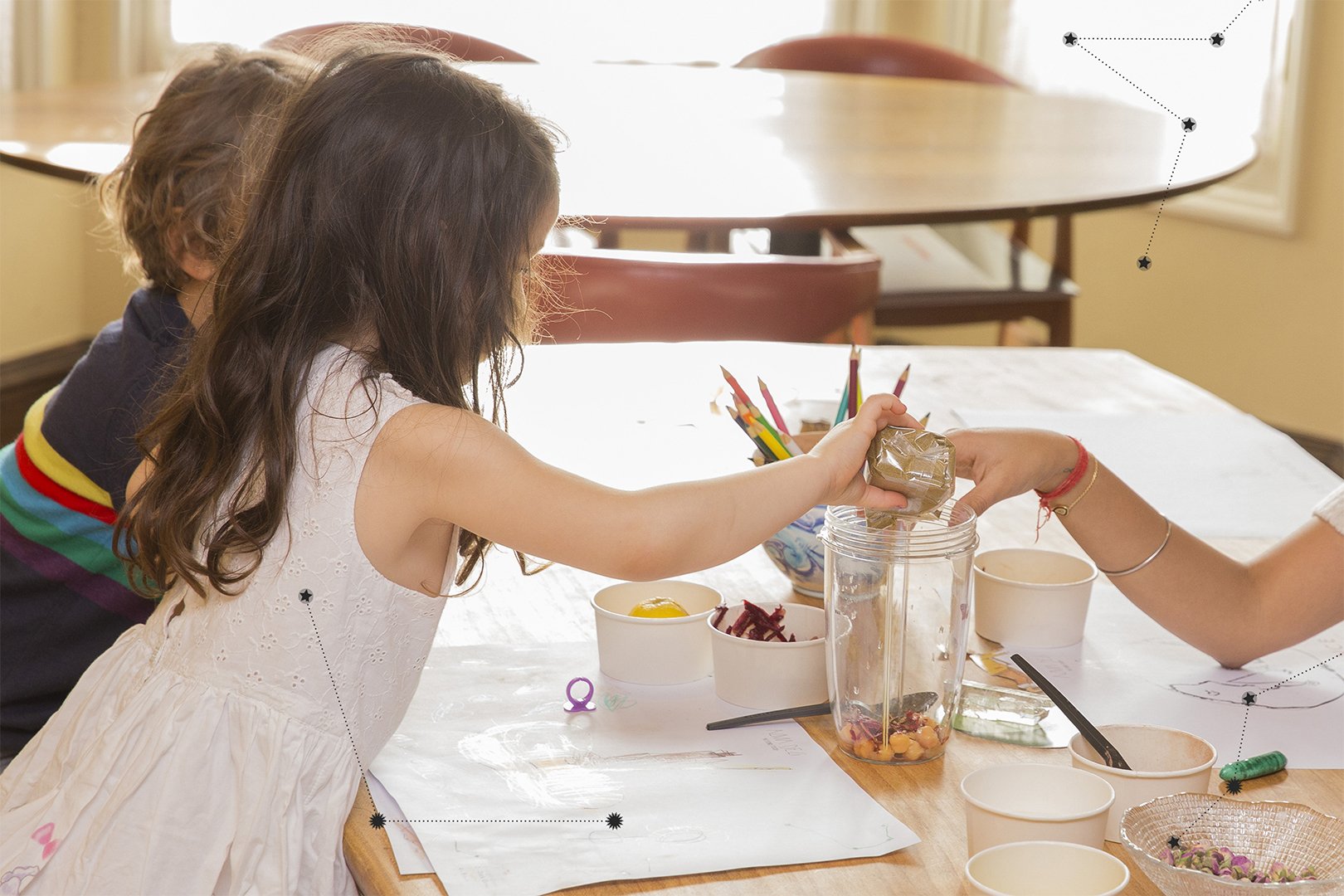
Rather than rigid structures and performance-driven systems, the focus remains on emotional openness, developmental balance, creative exploration, and mindful engagement. Activities centred around movement, music, storytelling, sensory learning, and collaborative play are designed not only to support intellectual development, but also emotional resilience, confidence, creativity, and curiosity.
Play-based learning allows children to explore the world through imagination, experimentation, movement, and emotional expression. Through play, children naturally begin to build problem-solving skills, social awareness, creativity, and emotional understanding.
In many ways, play becomes one of the earliest languages through which children learn confidence, connection, and self-awareness.
Creativity and emotional development in children
Creative learning environments help children feel emotionally safe enough to explore who they are.
Whether through storytelling, music, movement, sensory exploration, nature-based activities, or imaginative play, creativity allows children to process emotions, develop confidence, and strengthen their relationship with both themselves and others.
At a time when childhood is often shaped by overstimulation and pressure, creating calmer spaces for emotional development and creative learning feels increasingly important.
Alma Kids approaches childhood through the understanding that emotional wellbeing and creativity are not secondary to education, but essential to it.
The goal is not simply academic performance, but helping children develop emotional intelligence, imagination, resilience, presence, and a sense of connection to the world around them.
Rethinking childhood through care and connection
In many ways, the initiative also becomes a tribute to the countless women whose influence quietly shapes childhood every day through teaching, caregiving, mentorship, emotional support, and presence.
At a time when leadership is often measured through visibility and scale, there is something important in recognising quieter forms of influence that shape society at its roots.
Because nurturing, in itself, may be one of the most powerful forms of leadership.
And sometimes, the women transforming the future are not only raising children of their own, but helping build a more emotionally aware generation altogether.
Questions you may have
-
Digital experiences can be part of childhood, but children also benefit from time for open-ended play, movement, imagination, and real-world exploration. These experiences create space for curiosity and creativity to develop naturally.
-
Open-ended play allows children to explore without a fixed outcome or specific instructions. Materials such as blocks, art supplies, nature objects, or imaginative play tools encourage creativity and self-expression.
-
Creativity does not always require structured activities. Storytelling, music, nature walks, sensory experiences, drawing, and simple everyday moments can all create space for imagination.
-
Unstructured play gives children opportunities to follow their own interests, make choices, and explore ideas freely, helping build confidence, curiosity, and independence.
