
Habits, rhythm & conscious growing for children
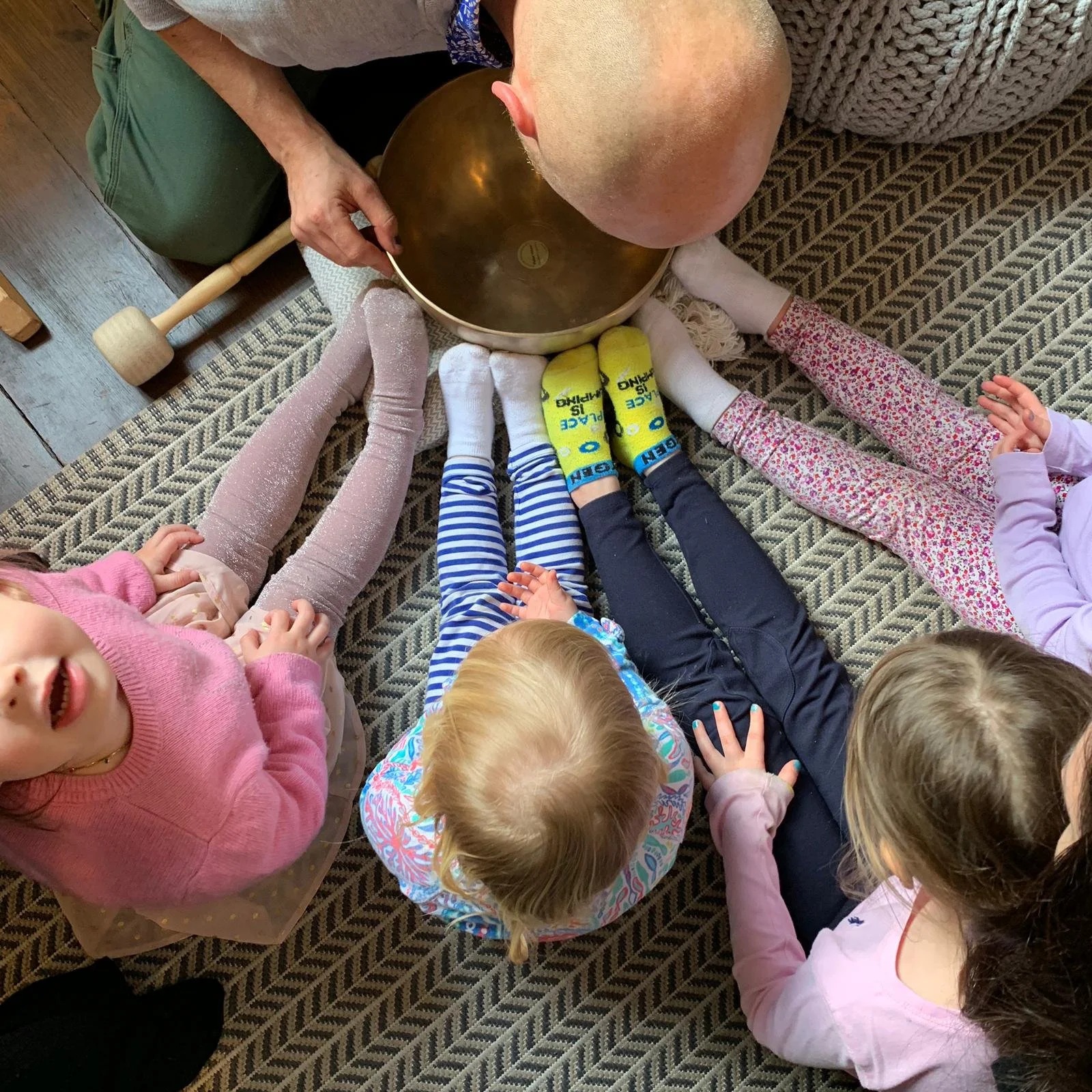
By Priyanka Lugani
From the moment a child enters the world, learning begins.
A baby learns through rhythm, repetition, touch, sound, emotion, and connection. The way we speak to them, the songs we sing, the meals we share, and the daily routines we create slowly become part of who they are.
At Alma Kids, we believe that habits are not simply routines. They are quiet builders of consciousness, shaping how children feel, respond, connect, and move through life.
What we repeat becomes familiar.
What becomes familiar begins to feel safe.
And what feels safe becomes part of the child’s inner world.
Scientifically, habits are patterns the brain creates in response to repeated experiences. When something happens again and again, the brain learns to automate it. This is why children thrive with rhythm and routine, because repetition helps them feel grounded, emotionally secure, and supported.
A bedtime story each evening.
Cleaning up toys after playtime.
Washing hands before meals.
Lighting a candle before dinner.
Taking deep breaths when emotions feel big.
Over time, these repeated experiences become natural patterns in both the body and the mind.
The importance of daily rituals for children
Children do not learn only through instruction. They learn through lived experience.
When daily life carries softness, presence, and intention, children absorb those qualities naturally. Even the smallest rituals can become meaningful emotional anchors:
sitting together for breakfast
caring for plants
listening instead of rushing
spending time in nature
expressing gratitude
moving the body with joy
creating moments without screens or distractions
These practices may seem simple, yet they quietly shape emotional wellbeing, awareness, patience, resilience, and connection.
Routine creates structure, but structure does not need to feel rigid. The goal is not perfection. The goal is rhythm, a gentle flow that supports both freedom and stability.
How habits and routines shape childhood development
The brain learns through a simple cycle often called the “habit loop”:
Trigger → Action → Reward
For example:
A child hears it is bedtime → they brush their teeth → they receive comfort, praise, and rest.
Over time, the brain connects these experiences together. The more often something is repeated, the more natural it becomes.
This is why consistency matters so deeply in childhood. Repetition strengthens emotional and neurological pathways, helping children integrate healthy habits and mindful routines into daily life with greater ease.
In many ways, learning is like walking through fresh grass. The first time creates only a slight trace. But when the same path is walked repeatedly, a visible trail appears. Eventually, it becomes the natural way forward.
Habits work in the same way.
Conscious habits and emotional wellbeing in children
At Alma Kids, we believe that childhood is not only about education, it is about nurturing the relationship a child has with themselves.
The habits we encourage in children are not rooted in pressure or performance, but in awareness, emotional wellbeing, balance, and connection.
We want children to grow up feeling:
connected to their emotions
comfortable in stillness
curious about the world
respectful toward nature and others
confident in expressing themselves
able to listen to their inner voice
Daily practices help plant these seeds gently into the subconscious.
Conscious parenting is not about doing everything perfectly. It is about creating an environment where presence, softness, and intention become part of everyday life.
Balancing structure and freedom in childhood
While habits create grounding, life also asks us to remain open and adaptable.
Children are naturally curious, creative, and fluid. They grow through movement, surprise, exploration, and change. Healthy routines should support this natural flow, not suppress it.
Balance comes from holding both:
structure and freedom
routine and spontaneity
guidance and trust
As children grow, their understanding of themselves and the world continues to evolve. What matters most is helping them develop awareness rather than rigid perfection.
On screens, stimulation & modern habits
In today’s world, many habits are designed to capture attention quickly: sugary foods, constant stimulation, fast entertainment, and endless scrolling.
The brain naturally seeks reward and pleasure, especially through dopamine, one of the chemicals connected to motivation and reward pathways. This is why certain behaviours can become difficult to step away from.
Not every repeated behaviour is harmful. But when something external begins to feel necessary for comfort, regulation, or happiness, it may move beyond habit into dependency.
For children, this is why conscious environments matter.
Slow moments matter.
Nature matters.
Presence matters.
Connection matters.
The more children experience genuine joy through creativity, movement, conversation, imagination, emotional safety, and connection, the less they seek constant external stimulation.
Healthy daily habits for children at home
Conscious habits do not need to be complicated. The most meaningful ones are often the simplest.
A few gentle daily practices might include:
morning stretches together
shared meals without screens
reading before sleep
nature walks
gratitude rituals
mindful breathing
creative play
moments of silence and calm
caring for animals or plants
speaking kindly to ourselves and others
Small repeated actions shape inner life over time.
The Alma philosophy
At Alma Kids, we believe wellbeing begins in childhood.
Children are born open, connected, curious, and whole. Our role is not to force them into becoming something else, but to nurture the natural wisdom already within them.
Through conscious routines, meaningful rituals, emotional awareness, and connection to nature, we help plant seeds that may support children throughout their lives.
Every small daily moment matters.
Every repeated act becomes part of the story they carry within themselves.
And slowly, lovingly, these moments shape who they become.
Questions you may have
-
Habit formation varies from child to child and depends on age, personality, and consistency. Rather than focusing on speed, gentle repetition over time often creates more sustainable patterns.
-
Predictable routines can help children understand what to expect throughout the day, creating a sense of stability, familiarity, and emotional safety.
-
Small steps often feel more natural than sudden changes. Introducing one practice at a time, modelling it consistently, and allowing children to participate gradually can help build habits with ease.
-
Time away from constant stimulation can create more space for movement, creativity, conversation, rest, and imaginative play — experiences that support curiosity and connection.
