
How maternal wellbeing shapes early baby development
By Priyanka Lugani
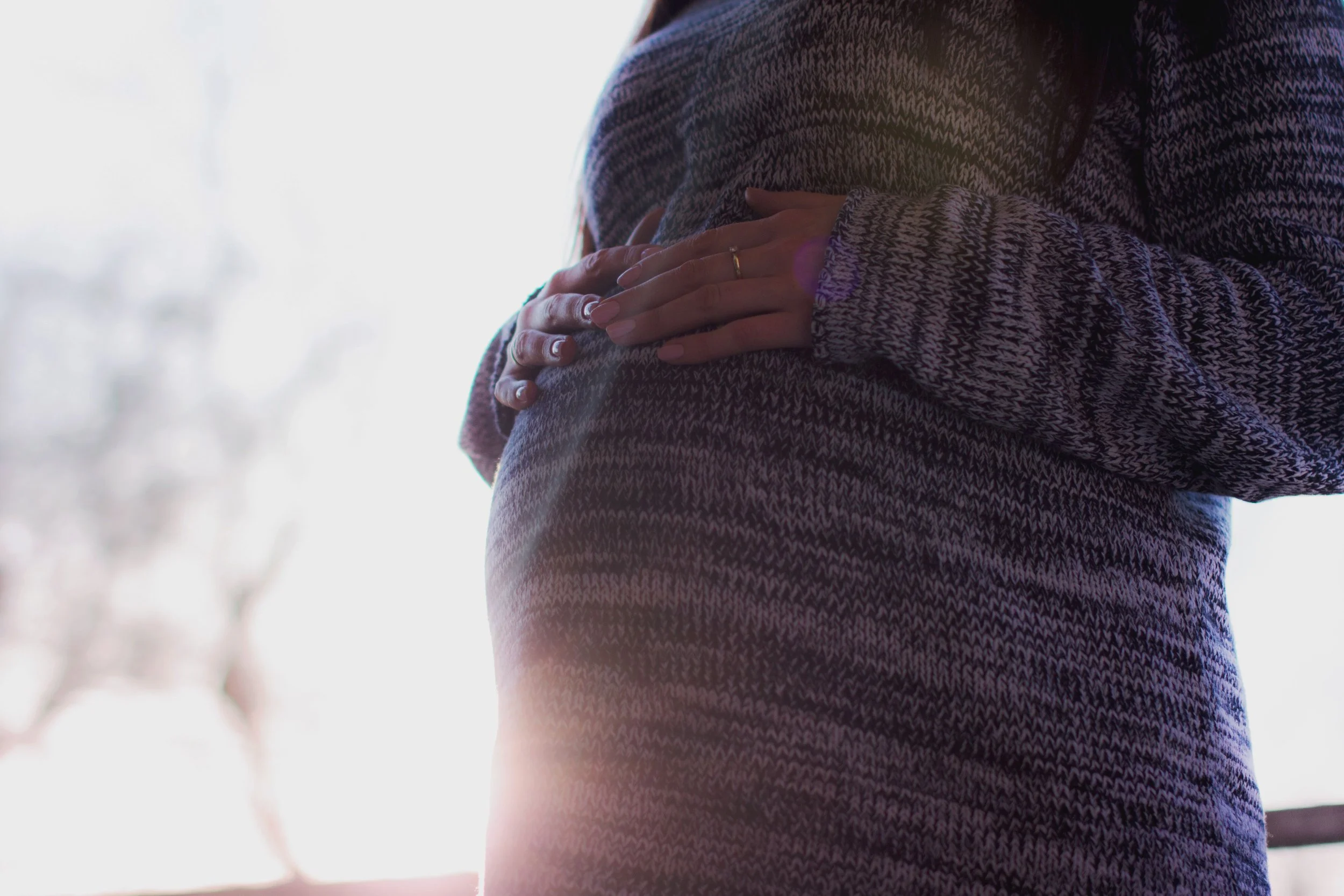
The mother’s body is a child’s first environment — a quiet, living space where nourishment, connection and early development begin long before birth.
A child’s development begins long before birth.
From the moment of conception, an extraordinary process unfolds. Over the course of pregnancy, a single fertilised cell grows into a human being with a beating heart, a developing brain, and all of the systems needed to enter the world. Throughout this process, the mother’s body becomes the child’s first environment.
Everything a baby needs to grow is provided through the mother. Oxygen, nutrients, hormones and immune factors are delivered through the placenta, supporting the development of every organ and system. While genetics provide the blueprint, the environment within the womb also plays an important role in shaping development.
This is why maternal wellbeing matters. A nutritious diet, adequate rest, physical activity, emotional support and reduced exposure to harmful substances can all contribute to a healthier pregnancy and provide a strong foundation for the growing baby.
At Alma Kids, we believe this is not about perfection. Every pregnancy is unique, and no parent can control every circumstance. Rather, it is a reminder that small acts of care, nourishment, rest and support can have a meaningful impact.
The womb as the baby’s first environment
The story of childhood does not begin on a child’s first day in the world. It begins much earlier, in the quiet and unseen process of growth that takes place within the womb.
The womb is the baby’s first environment — a place where biology, nourishment, rhythm and connection begin shaping the earliest foundations of life.
One area of growing scientific interest is the human microbiome, the vast community of microorganisms that live in and on our bodies. These microorganisms help support digestion, immune function and overall health.
Although a baby’s microbiome continues to develop throughout infancy and childhood, some of its earliest influences come from the mother.
Birth, Microbial Exposure and the First Microbiome
During a vaginal birth, a baby is exposed to the mother’s microbiota while passing through the birth canal. This first encounter introduces a diverse range of microorganisms that begin to colonise the infant’s body.
In caesarean births, babies are not exposed to the same microorganisms from the birth canal as in vaginal delivery. Their early microbial exposure begins through the surrounding environment, skin contact and breastfeeding.
Research shows that while birth mode can influence the initial composition of the infant microbiome, it is only one of many factors. A child’s microbiome continues to develop and diversify rapidly throughout infancy and early childhood.
Breastfeeding, immunity and early care
Breastfeeding further supports this process. Human breast milk contains nutrients, antibodies and specialised compounds that help nourish beneficial bacteria and support the development of the infant immune system.
Skin-to-skin contact, family members, the surrounding environment and later the introduction of solid foods all continue to shape the child’s microbiome over time.
The immune system itself begins developing in the womb and continues maturing throughout childhood. During pregnancy, mothers pass antibodies to their babies, providing a form of early protection during the first months of life.
This remarkable biological partnership demonstrates just how closely connected mother and child are during the earliest stages of development.
Caring for the mother means caring for the child
At Alma Kids, we believe that childhood begins before birth. Caring for children starts with caring for the environments in which they grow. And the first of these environments is the mother’s body.
By nurturing their own wellbeing, mothers help create the conditions in which new life can flourish.
This is not about pressure, control or perfection. It is about recognising that care is relational. The mother also needs nourishment, rest, emotional support, protection and tenderness.
A reminder that human development is both profoundly biological and deeply connected.
Questions you may have
-
Maternal wellbeing during pregnancy can support both the mother and the developing baby. Nutrition, rest, emotional support, physical activity and reduced exposure to harmful substances can all contribute to a healthier pregnancy environment.
-
Yes. A baby’s development begins in the womb, where oxygen, nutrients, hormones and immune factors support the growth of organs, systems and early biological foundations.
-
The infant microbiome is the community of microorganisms that begins developing early in life. It is influenced by many factors, including birth, skin contact, feeding, environment and the introduction of solid foods.
-
Birth mode can influence the baby’s early microbial exposure, but it is only one factor. The microbiome continues to develop through breastfeeding, skin-to-skin contact, environment, diet and early childhood experiences.
-
Breast milk provides nutrients, antibodies and specialised compounds that support nourishment, immunity and the development of beneficial bacteria in the infant gut.
